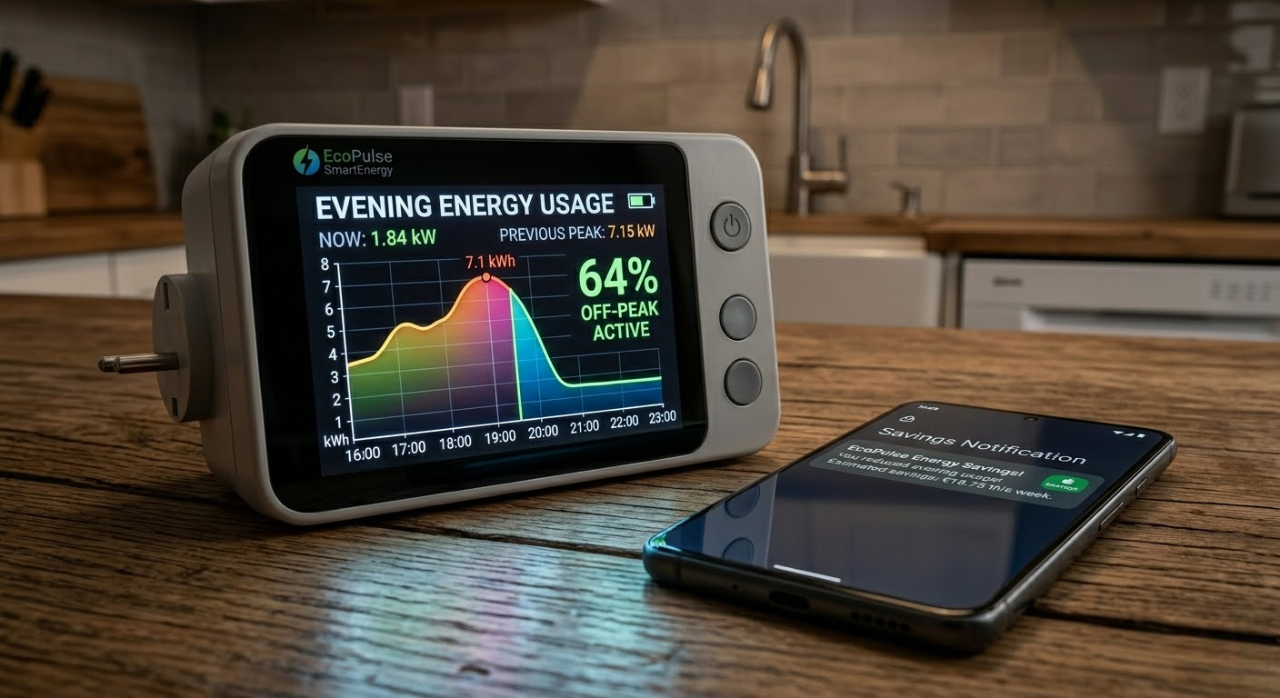
If you want to save money on peak electricity hours, noticing your power bill spike even when you haven’t changed a single habit is infuriating. You’re likely a victim of the ‘Time-of-Use’ (TOU) trap. In high-cost states like California, New York, and Texas, utility giants have flipped the script: they don’t just charge you for what you use, they charge you for when you use it. During ‘Peak’ windows—typically 4:00 PM to 9:00 PM—rates can skyrocket to 3x the standard price. It’s a legal shakedown, but you can fight back by shifting your load and refusing to play by their rules.
This is a common fee often hidden in your overcharging power bill, where “delivery charges” and “peak adjustments” eat your savings before you even flip a switch.
Understanding the TOU Trap
Utility companies claim TOU rates are about “grid reliability,” but for the average American family, it’s a complexity tax. To beat them, you need to decode their terminology. Most modern rate plans are broken into three distinct tiers based on demand. Use this knowledge to map out your day.
- Peak Hours: The “Danger Zone.” Usually weekday afternoons and evenings. This is when the kWh rate is at its absolute highest.
- Off-Peak: The “Safe Zone.” Mid-day or late night hours with standard rates.
- Super Off-Peak: The “Winning Zone.” Usually between midnight and 6:00 AM. This is when the grid is begging you to take electricity.
The High-Drain Killers During Peak Hours
Not all appliances are created equal. If you’re turning off a single 9W LED bulb during peak hours but leaving your dryer running, you’re rearranging deck chairs on the Titanic. To truly save money on peak electricity hours, you must target the “Big Three” budget killers.
1. The HVAC System
Your air conditioner is a glutton. Running that unit during the “Danger Zone” can cost you three times as much for the exact same level of comfort. Managing this is the fastest way to slash your bill. Managing your cooling cycles is the most direct path to save money on peak electricity hours during the summer months.
2. The Electric Water Heater
Every time someone takes a hot shower or the dishwasher fills during peak hours, the heating elements kick on, pulling roughly 4,500 watts. Most families trigger this unknowingly right at 6:00 PM.
3. The Clothes Dryer
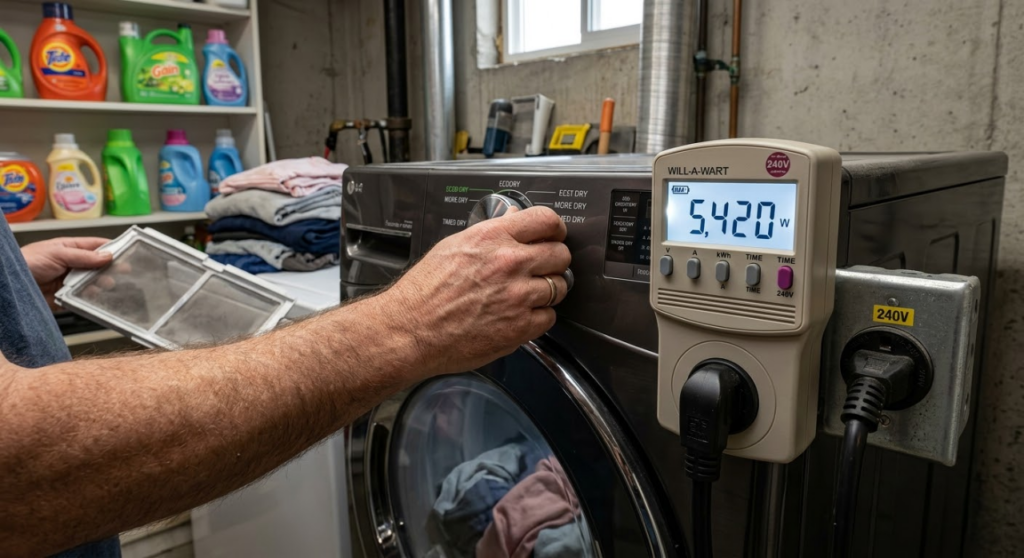
The electric dryer uses heat and mechanical motion, often drawing 5,000 watts. Running a single load at 5:00 PM can cost more than running three loads at midnight.
Strategic “Load Shifting” Tactics
Load shifting doesn’t mean living in the dark; it means being tactical. It is the art of moving your heaviest kWh consumption into the “Safe Zone.” If you are serious about your goal to save money on peak electricity hours, you must be disciplined with your laundry lockout. Here is how you restructure your day without a drop in lifestyle quality:
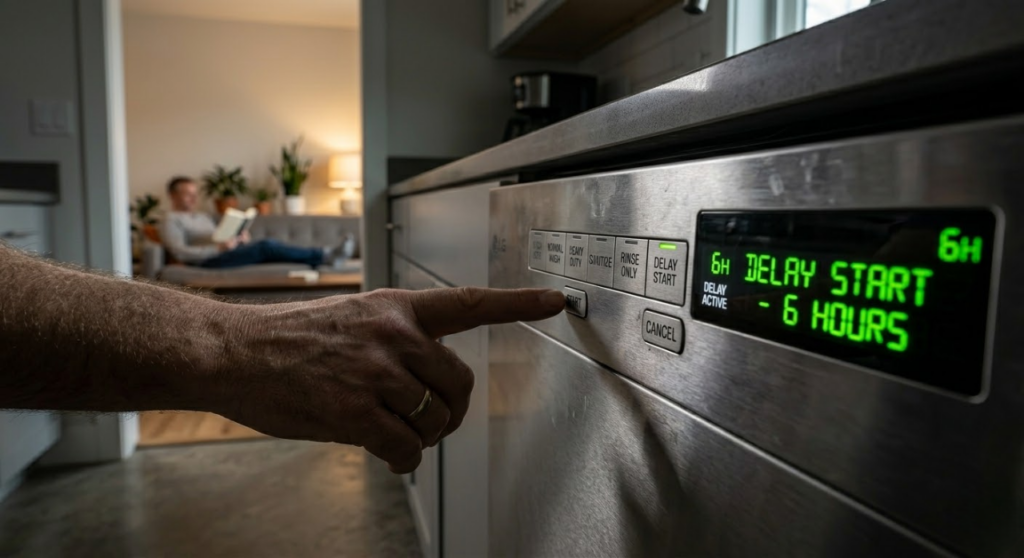
- The Dishwasher Delay: Use your unit’s “Delay Start” button for a midnight run during Super Off-Peak hours.
- Laundry Lockout: Adopt a “Morning or Weekend” laundry rule. If it’s between 4:00 PM and 9:00 PM, the dryer is off-limits.
- Electric Vehicle (EV) Management: Program your charger to only pull power during the lowest-cost tier.
The “Pre-Cooling” Hack: Ride the Wave
This is the most effective technical maneuver in the Slash The Grid playbook. Your home has “thermal mass”—it holds temperature. Instead of fighting the heat during peak hours, you use your home like a battery.
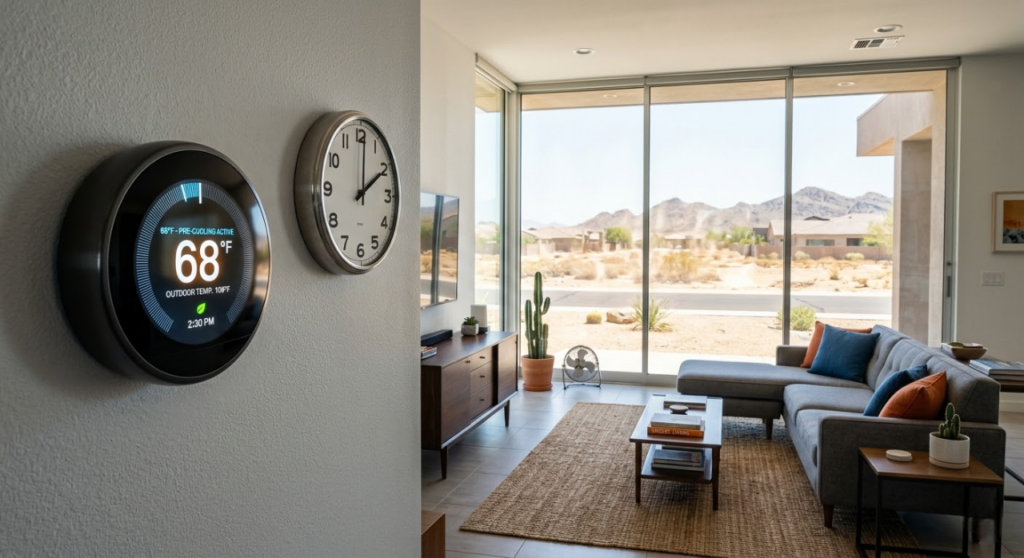
The Execution: Set your thermostat to 68°F at 1:00 PM (Off-Peak). This “deep freezes” your home. At 4:00 PM, bump it to 78°F. Your home will stay cool for hours without the AC kicking on during the expensive window.
As we mentioned in our DIY home energy audit guide, sealing your envelope is critical for this hack to work; otherwise, that cheap air leaks out before the peak even starts.
Save Money on Peak Electricity Hours Through Automation
Automation removes human error. To consistently save money on peak electricity hours, you need a “set it and forget it” infrastructure.
- Smart Thermostats: Link your Ecobee or Nest to your utility’s TOU schedule for automatic pre-cooling.
- Smart Plugs: Kill power to your entertainment center or office during peak hours.
- Demand Response Programs: Look for programs like “OhmConnect” that pay you to reduce usage during grid emergencies.
STG Pro Tip: The Rate Comparison Call
Utility companies are required by law in many states to provide you with a “Rate Comparison.” Call your provider and ask if you’d pay less on a Flat Rate plan based on your last 12 months. Don’t let them default you into the most profitable plan for them.
Is Your State Ripping You Off?
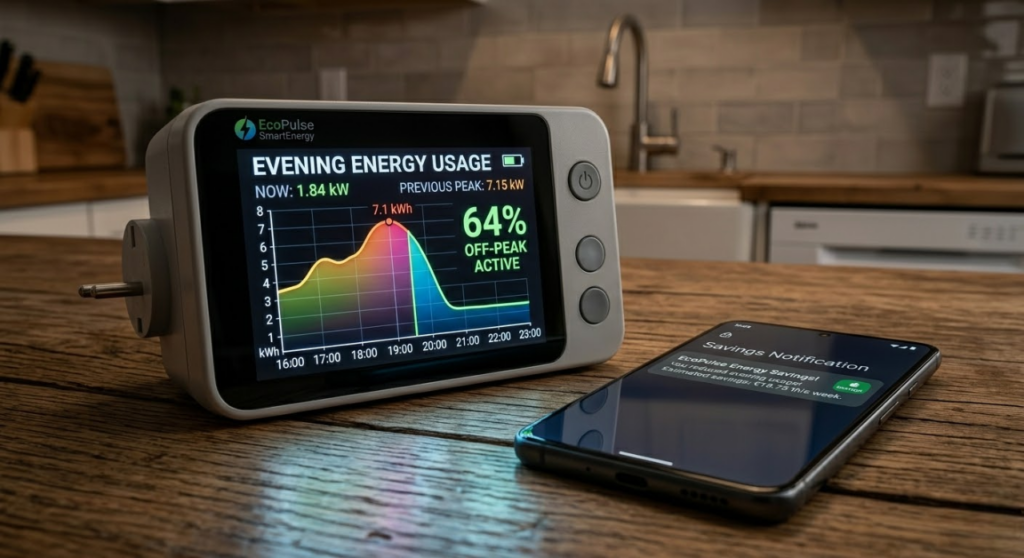
Your journey to save money on peak electricity hours starts with a single habit change today. Don’t let the utility companies win. Look at your smart meter data tonight and find the “hump” in your usage graph that aligns with peak hours. If that hump exists, you’re losing. Which peak window are you dealing with? Leave a comment below with your city and utility company, and let’s figure out your best “Peak Hour Survival Schedule” together!