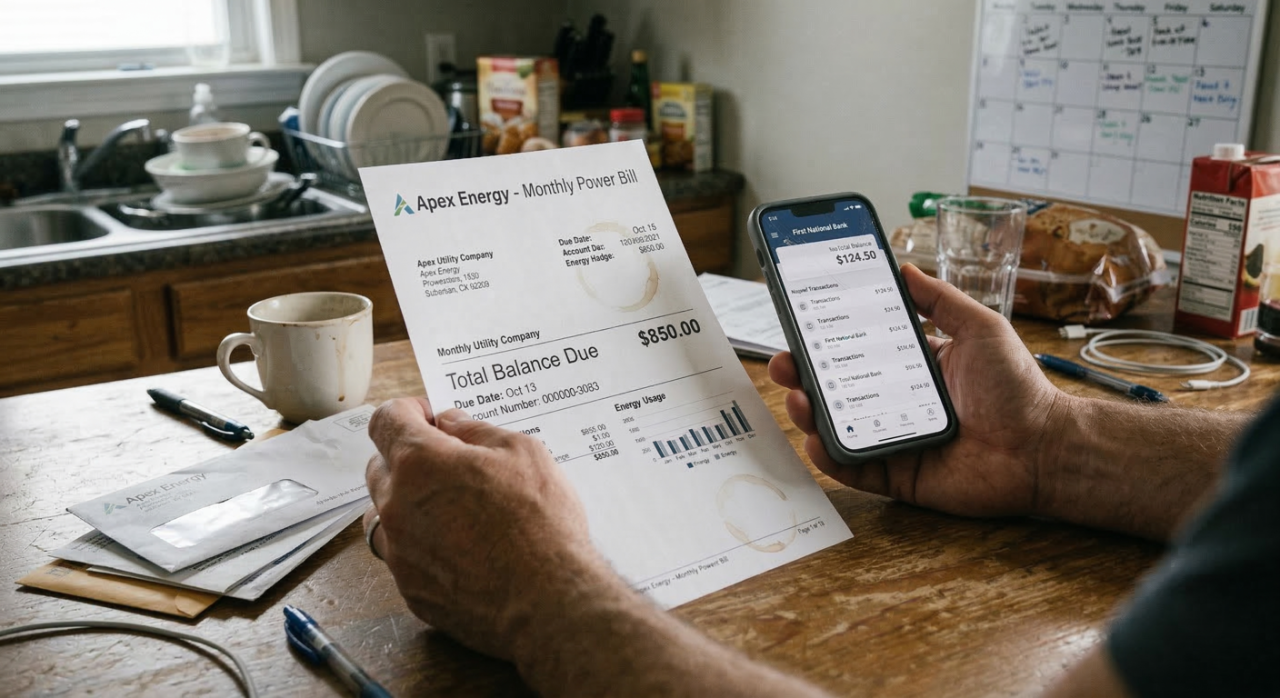
Is an overcharging power bill actively trying to eat your paycheck? It’s not just your imagination. Across the U.S., electricity rates have surged by an average of 20%, leaving many homeowners in states like California and Texas staring at their statements in disbelief.
Most of us fall into the “autopay trap.” We assume the math is correct, click “pay,” and move on. But here’s the kicker: billing errors are surprisingly common, and they rarely favor the consumer. If you aren’t looking closely at your monthly statement, you might be throwing away hundreds of dollars a year on ghost charges.
Let’s face it, your utility company isn’t going to call you to say they billed you too much. It’s up to you to spot the signs. Here is how to tell if your provider is overcharging power bill totals and what you can do to take your money back.
Red Flag #1: An Overcharging Power Bill Due to Estimated Readings
Ever see a small “E” or the word “Estimated” next to the meter reading on your statement? That’s a massive red flag. Many companies do this when they can’t access your physical meter, but their “guesses” are almost always in their favor.
Utility companies sometimes “guess” your usage if a technician can’t access your meter or if there’s a glitch in the digital transmission. The problem? These estimates are often based on historical averages or “worst-case scenarios” that favor the company’s bottom line.
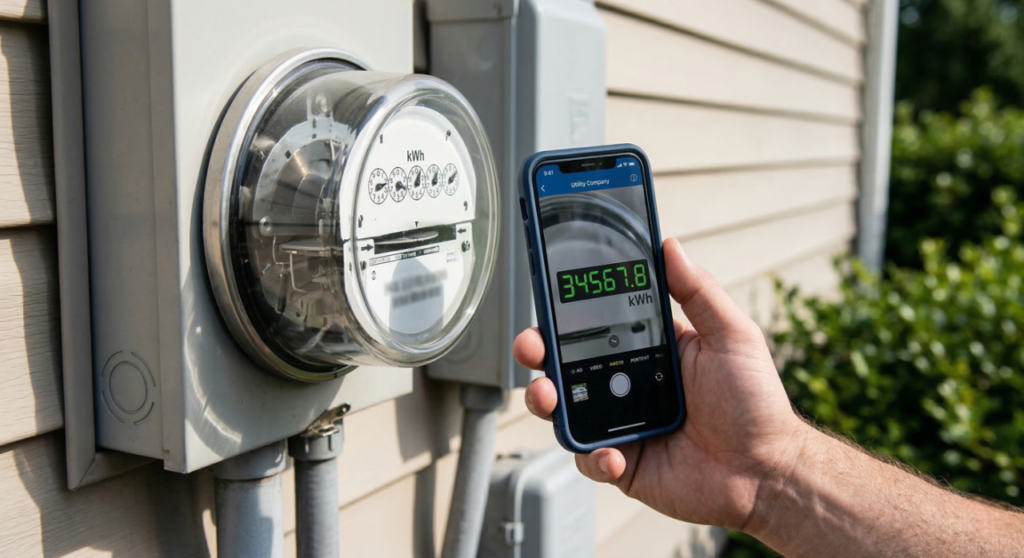
The Fix: Compare the reading on your physical meter to the one on your bill. If the numbers are wildly off, take a photo and call your provider immediately. Demand an “actual reading” and a “true-up” credit on your next statement.
Red Flag #2: Mysterious “Administrative” Fees and Junk Charges
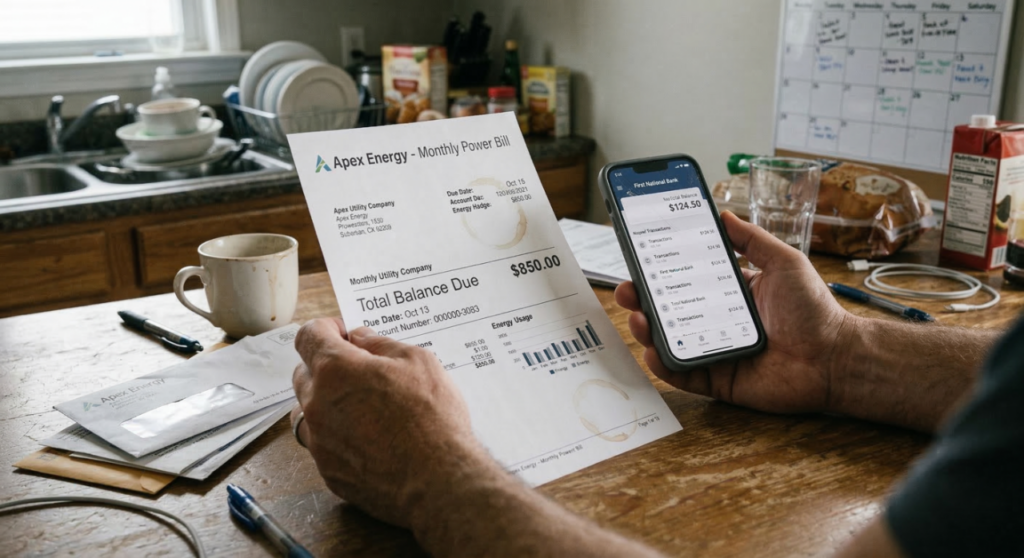
If your bill looks like a CVS receipt full of vague terminology, you’re likely being hit with junk fees. While some regulatory charges are standard, many companies bury “administrative costs” or “service delivery adjustments” in fine print to pad their margins.
Keep an eye out for:
- Duplicate base charges: Ensure you aren’t being charged twice for “customer service” or “account maintenance.”
- Minimum usage fees: Some providers charge you more for using less energy if you fall below a certain threshold—a common trap in deregulated markets.
If a line item doesn’t correspond to your actual kilowatt-hour (kWh) usage, it’s worth a five-minute phone call to ask for a justification. You can learn more about consumer rights at the Official USA.gov Energy Page.
Red Flag #3: Double Billing on Peak Hours
For residents in New York, Texas, or California, Time-of-Use (TOU) plans are the norm. These plans charge you more when the grid is stressed (usually 4:00 PM to 9:00 PM) and less late at night.
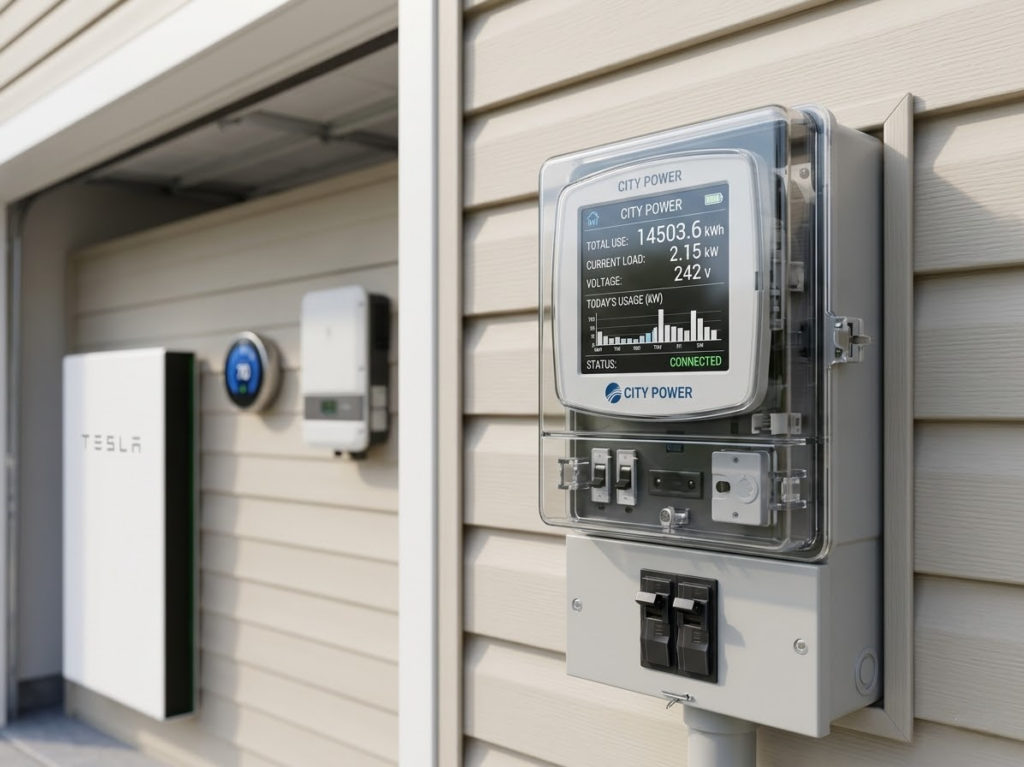
The red flag here is “rate creep.” Sometimes, smart meters glitch and categorize your midnight laundry load as a 5:00 PM peak-hour expense. If your “Peak” usage seems impossibly high compared to your lifestyle, your meter might be miscommunicating with the mothership and causing an overcharging power bill.
How to “Slash” Your Bill Today
Don’t wait for the utility company to fix their mistakes. At Slash The Grid, we recommend this Expert Strategy to take control of your costs right now:
- The 2-Degree Shift: Lowering your thermostat by just 2 degrees in the winter (or raising it in the summer) can reduce your bill by up to 5%. It’s a small change that yields massive annual savings.
- Hunt the Vampires: “Energy vampires” are electronics that suck power even when turned off—think coffee makers with clocks, idle gaming consoles, and chargers. Unplug them or use a smart power strip to kill the phantom load.
- Seal the Envelope: Use cheap weatherstripping to seal air leaks around windows and doors. If you can feel a draft, you’re essentially paying to heat or cool the neighborhood.
Your utility bill shouldn’t be a mystery. By auditing your statements and looking for these red flags, you can stop the “autopay bleed” and keep your hard-earned money where it belongs—in your bank account.
STG Tip: If you live in a deregulated state like Texas, you can switch providers today. Check your ‘Electricity Facts Label’ (EFL) to see the real price per kWh.
Have you noticed an overcharging power billl? Leave a comment below with your state and provider, and our community will help you decode it!